Open science
Tools we've built, and made available.
Whenever a research question needs a new tool, we try to build it so others can use it too: code, models, data guides, and teaching material, free to reuse.
-
Open source
PARS

A fully automated pipeline that converts a T1-weighted MRI scan into a simulation-ready finite element head model, combining anatomical parcellation with tissue maps, hexahedral meshing, and algorithmic reconstruction of the falx, tentorium, pia and dura mater, steps that previously required manual repair.
Vahid Darvishi, Emily Chan, Harry Duckworth, and collaborators
-
Open source
Brain surrogate models
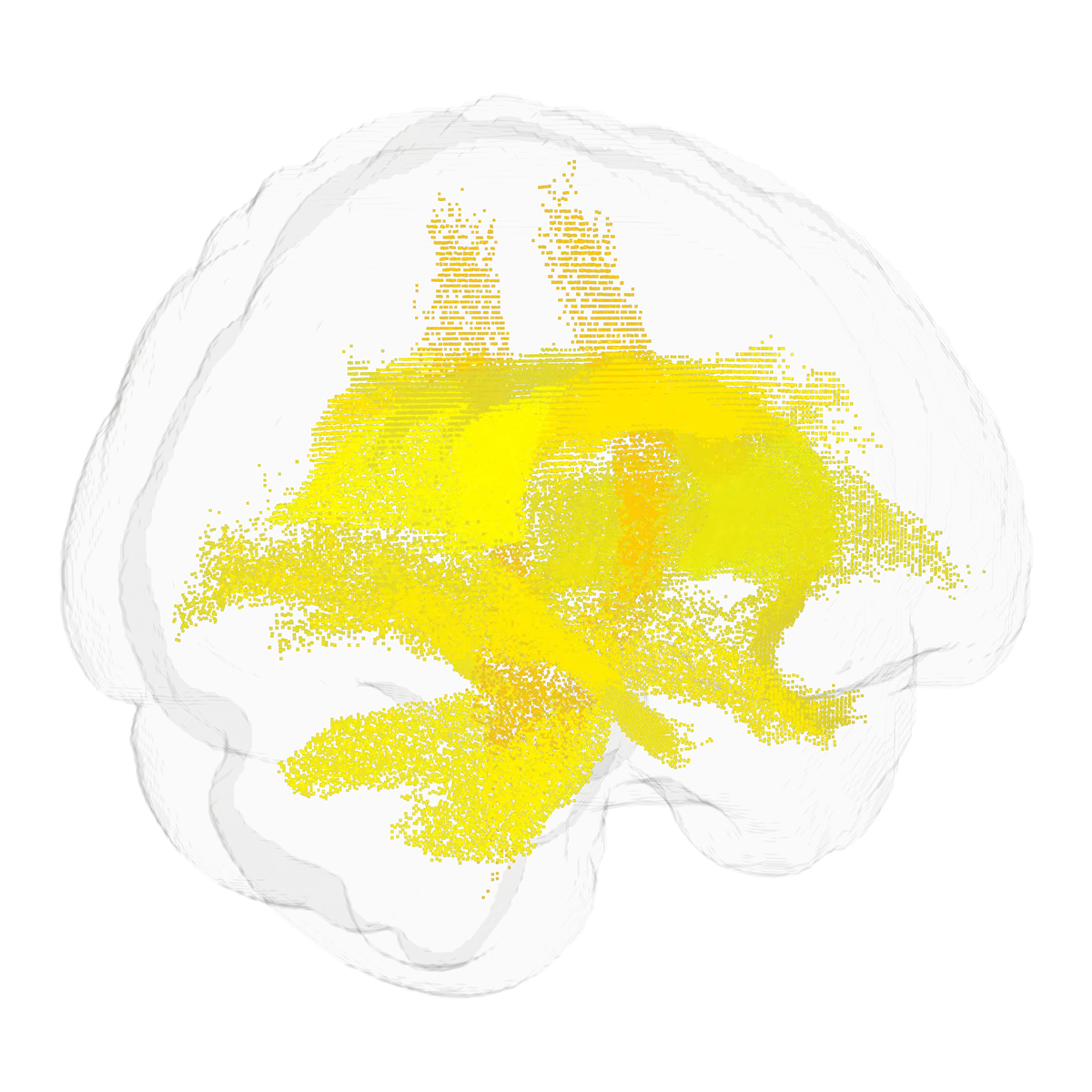
Fast machine-learning approximations of the Imperial College FE brain model, built for settings where running the full finite element model isn't practical, such as near-real-time estimates from wearable sensors and large-cohort studies.
Emily Chan
Get the code — coming soon -
Public rating
HIPER — cycle helmet rating
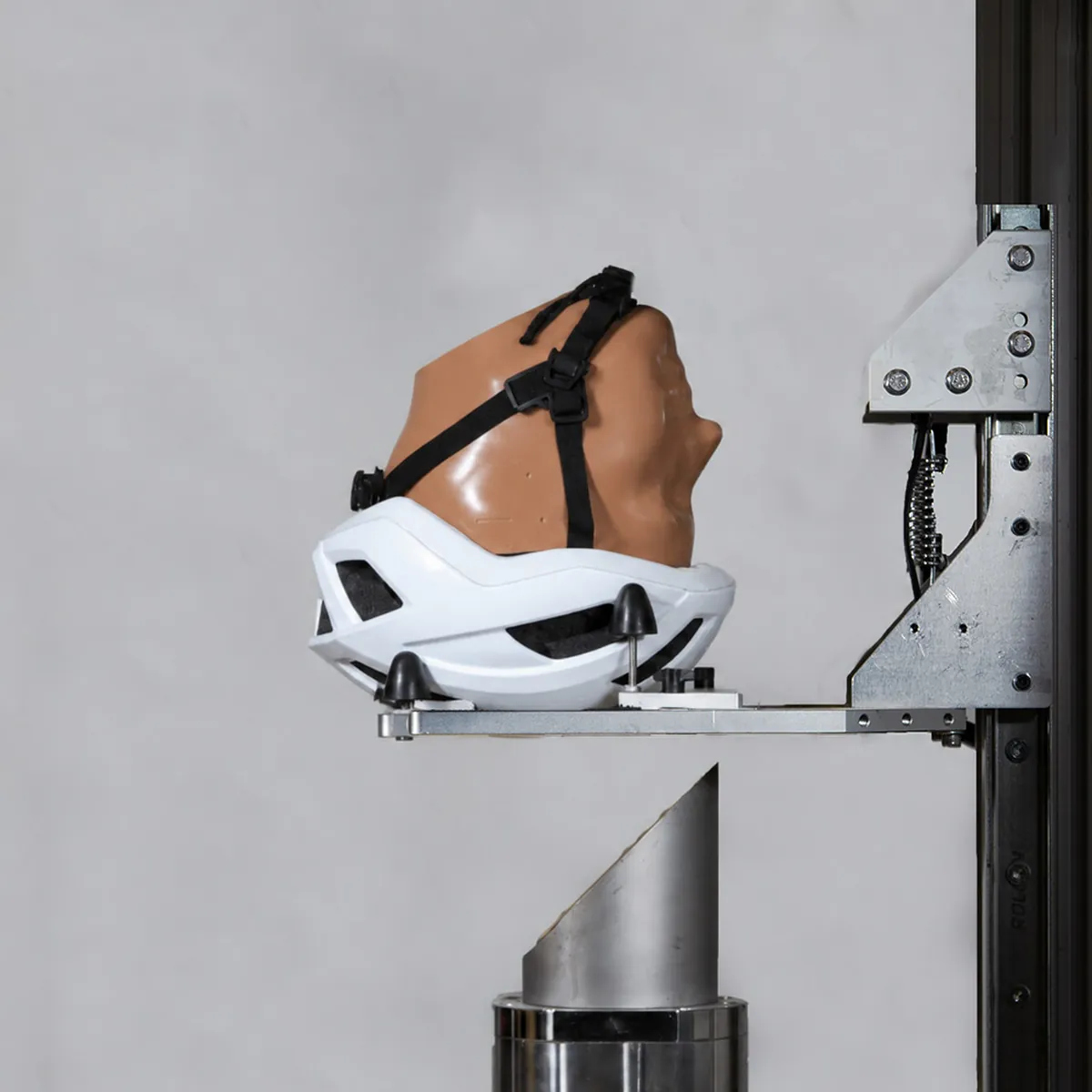
An open, oblique-impact rating for cycle helmets, grounded in brain-tissue strain rather than a certification pass/fail. Ratings for 60+ popular models are published and free to browse.
-
Digital platform
trace* — pitch-side brain exposure
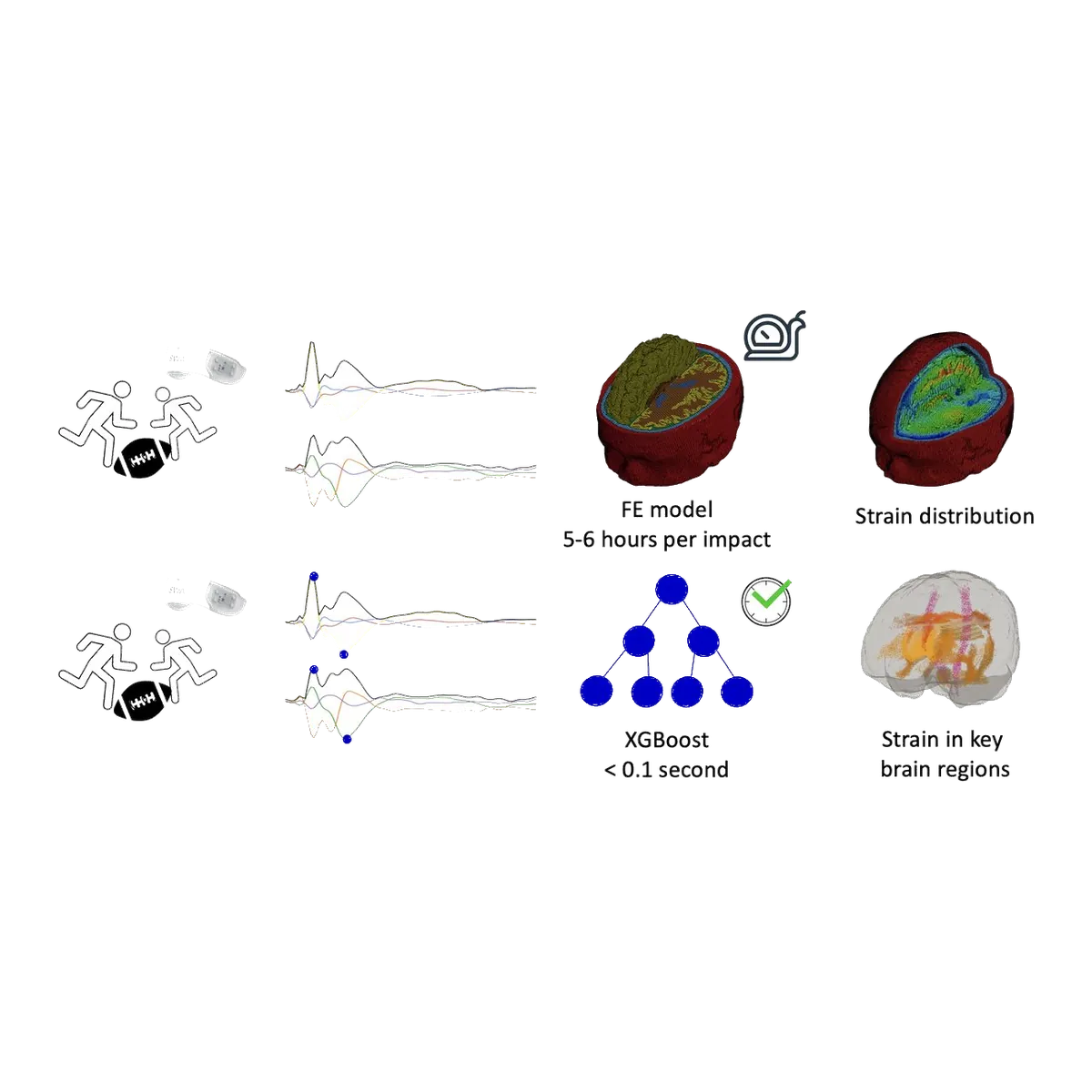
A web platform that turns instrumented-mouthguard head kinematics into a near-real-time estimate of regional brain strain — the 5–6 hour finite element simulation replaced by an XGBoost model fast enough for pitch-side decisions in professional and grassroots sport. Interactive demo, methodology, and a learning section for athletes, coaches and parents.
Emily Chan, Elena Koumantou, and collaborators · funded by SWA, Cellbond, the Royal Academy of Engineering and MRC TBI-REPORTER
-

Data guide
RAIDS on TBI-REPORTER
A guide to the Road Accident In-Depth Studies (RAIDS) database on the MRC TBI-REPORTER platform, explaining what traumatic-brain-injury-related data is available, how to extract it, and examples of how it has been used in research, including the lab's AutoTriage project.