Research
How does mechanical loading injure the brain?
How can we use this understanding to predict and prevent brain injuries? Our work runs across three areas that feed each other: models tell us what to test, tests tell us what to trust. Pick an area to pick out its projects.
Current projects
-

PARS: automated brain model creation
An open-source pipeline that turns a standard MRI scan into a simulation-ready finite element head model.
-
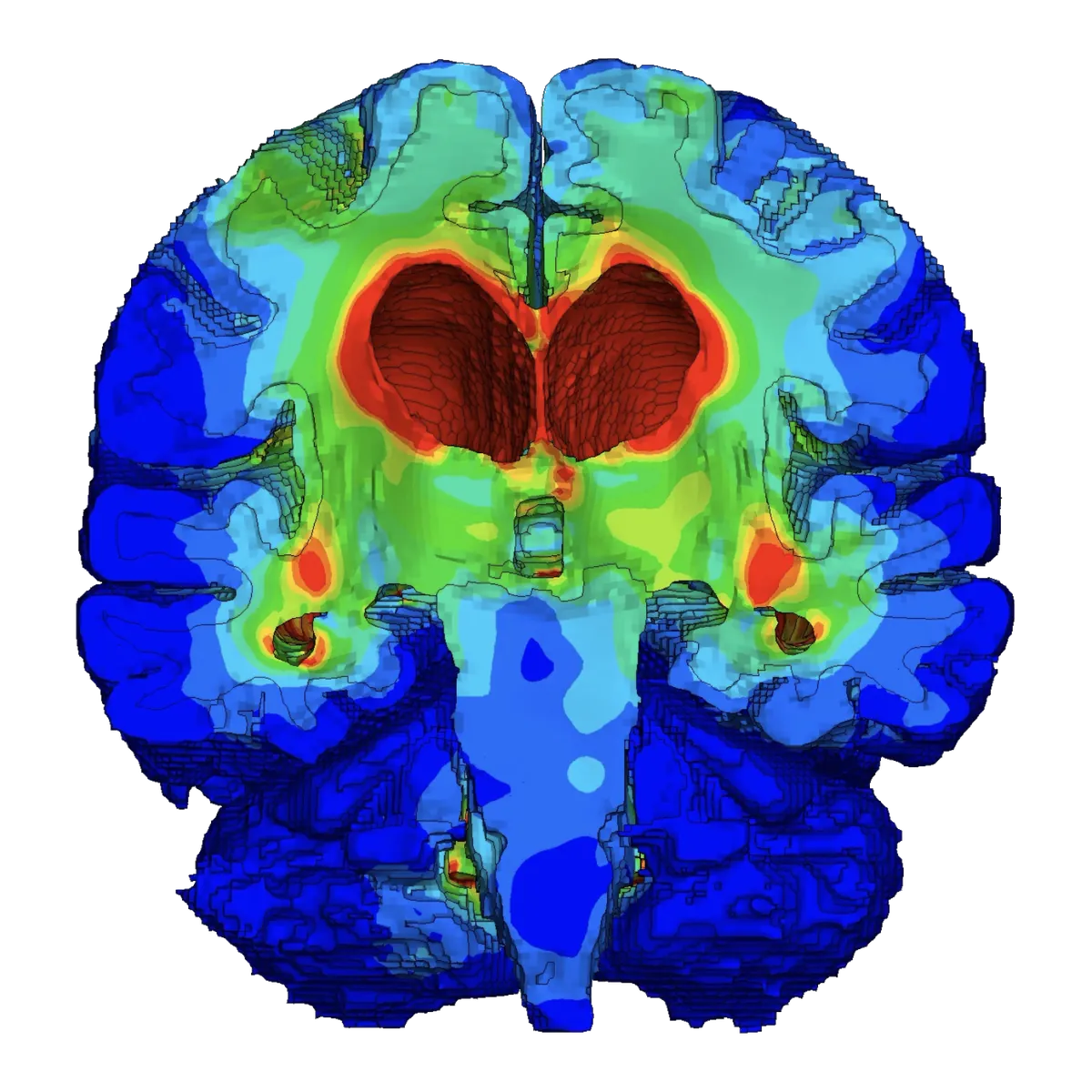
Brain mechanics in hydrocephalus
Showing that ventricular enlargement mechanically damages the brain in iNPH.
-
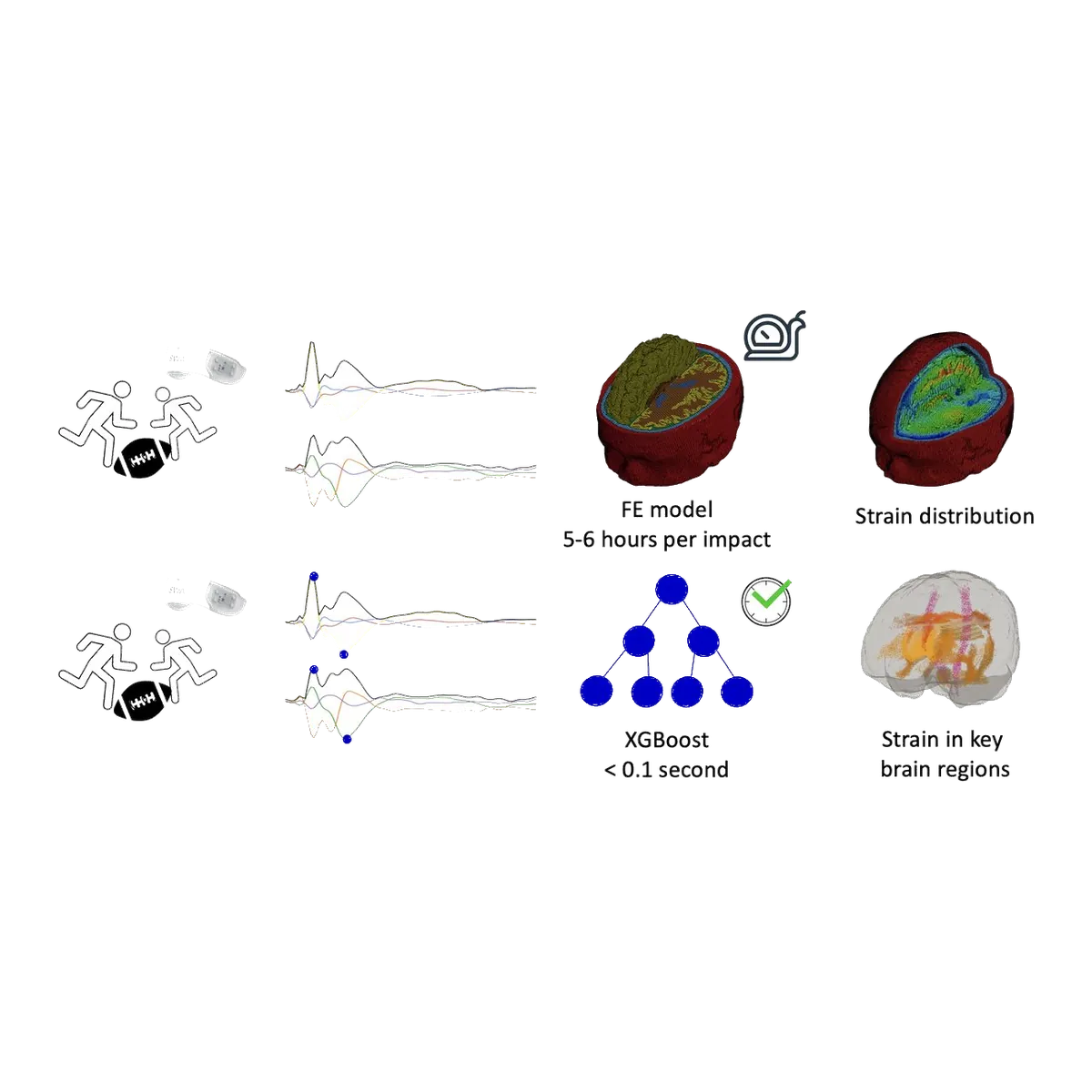
Monitoring brain strain
Instrumented mouthguards, near real-time surrogate brain models, and exposure data from thousands of athletes.
-

Predicting brain injury from on-board vehicle sensors
Using car sensor data to triage TBI severity in road traffic incidents.
-
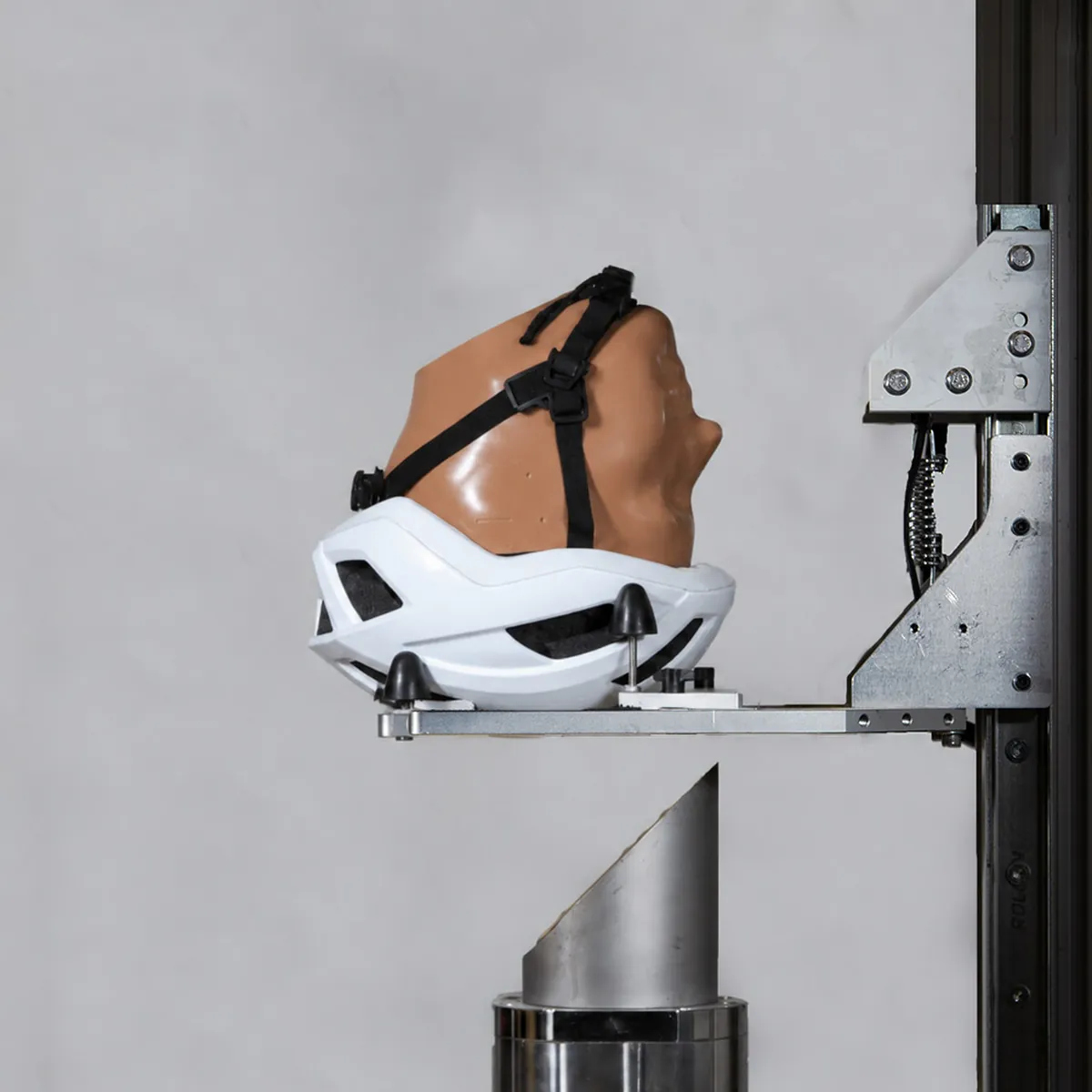
HIPER — a public cycle helmet rating
Looking for your next bicycle helmet?
-

Children's cycle helmet rating
Extending HIPER to ask whether children's cycle helmets should be held to a different standard than adults'.
-
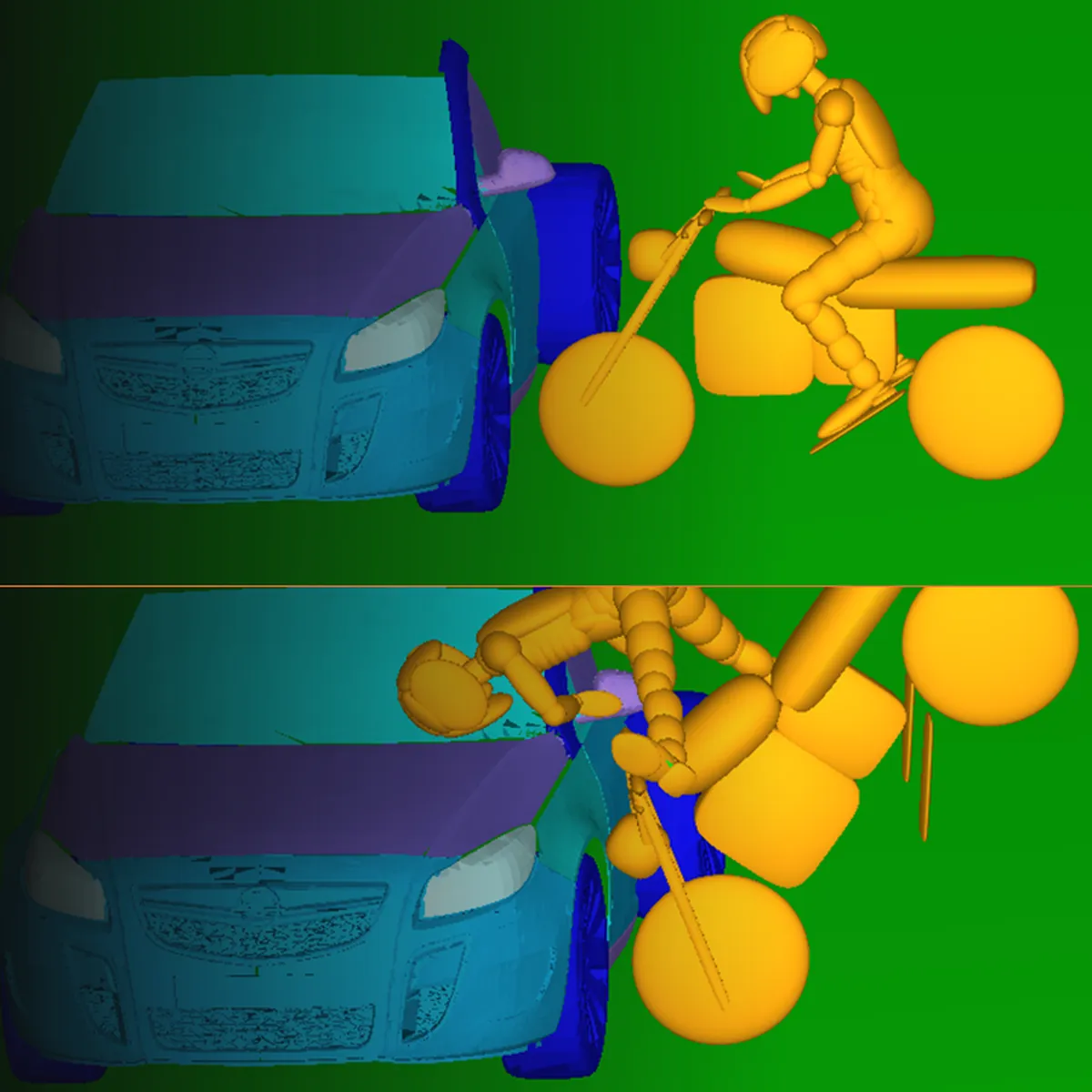
Facial impacts in motorcycle incidents
New test methods for protecting against facial and basilar skull fractures.
Completed projects
-
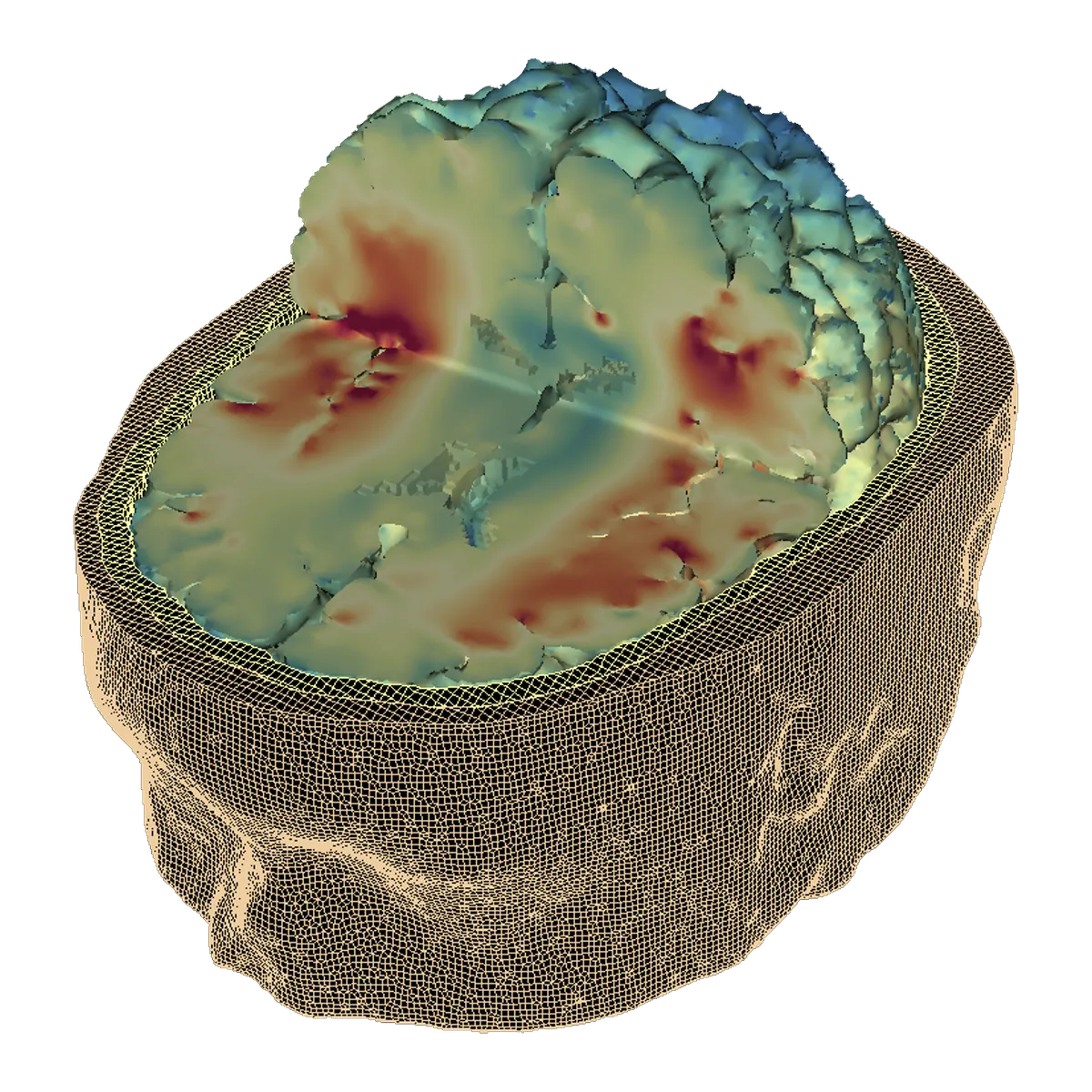
Predicting location of CTE pathology
A high-fidelity brain model that resolves anatomy down to the sulci.
-
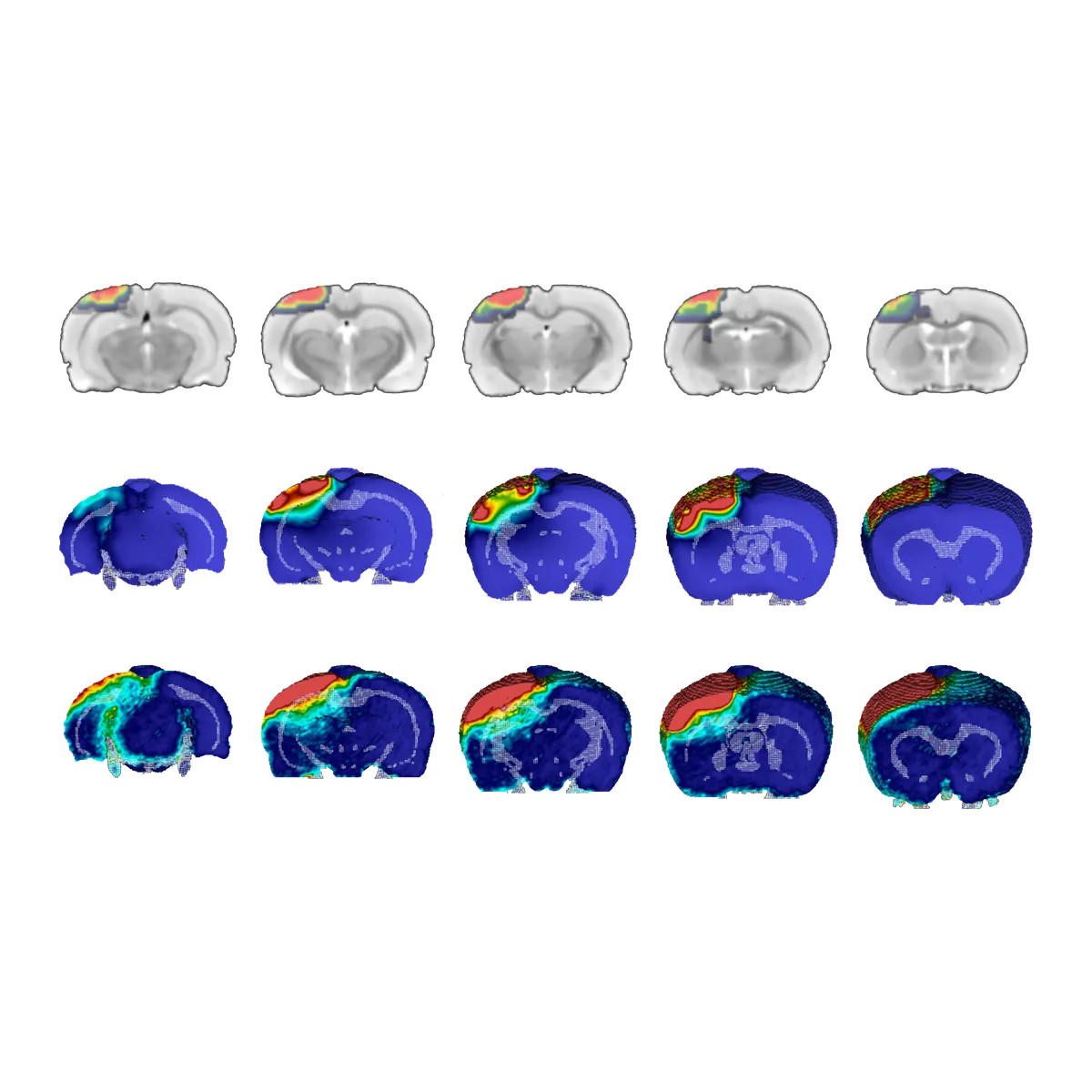
From biomechanics to pathology
Linking head loading to structural changes in white matter weeks after injury.
-
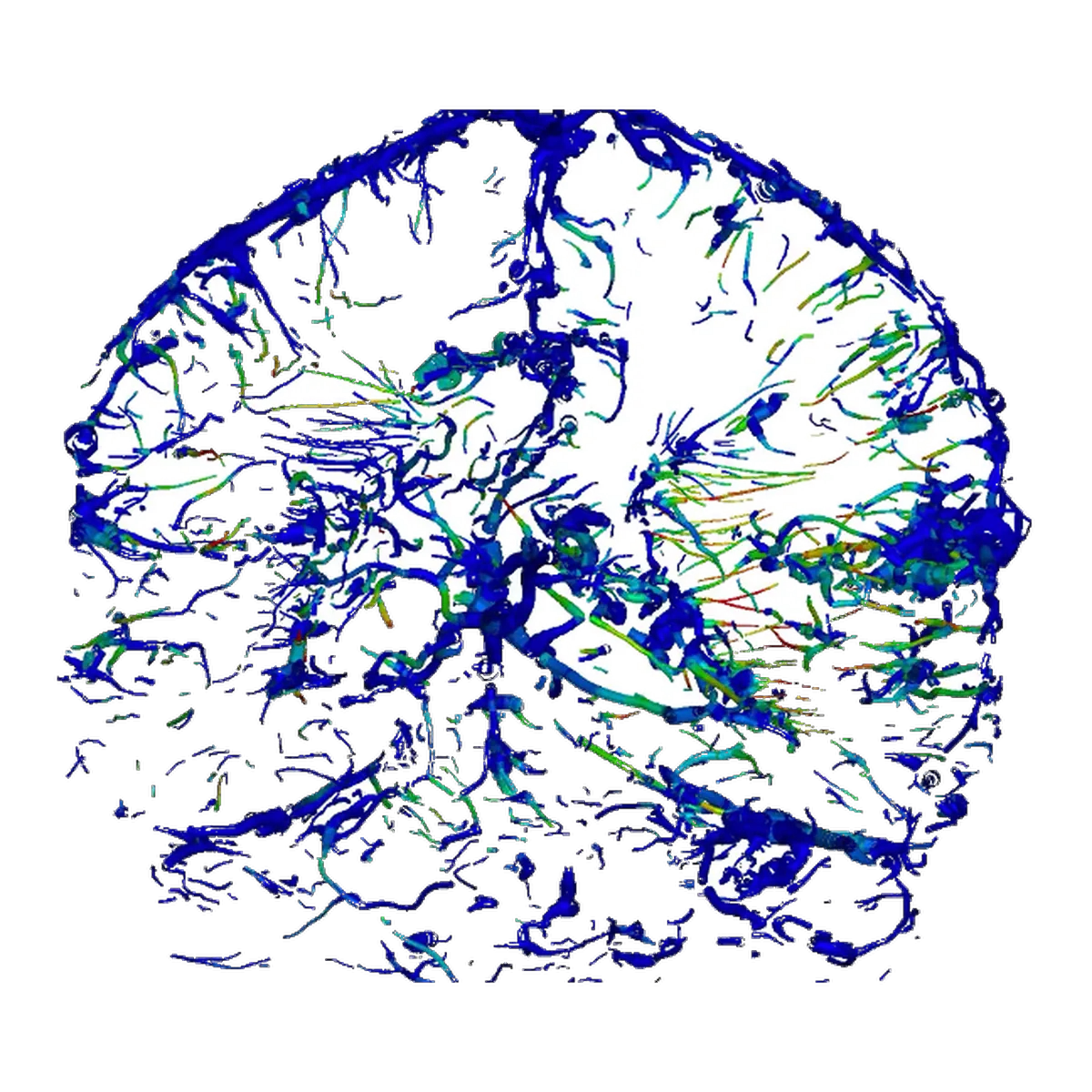
Biomechanics of vascular injury
FE modelling of cerebral vasculature, microbleeds, and blood-brain barrier damage.
-
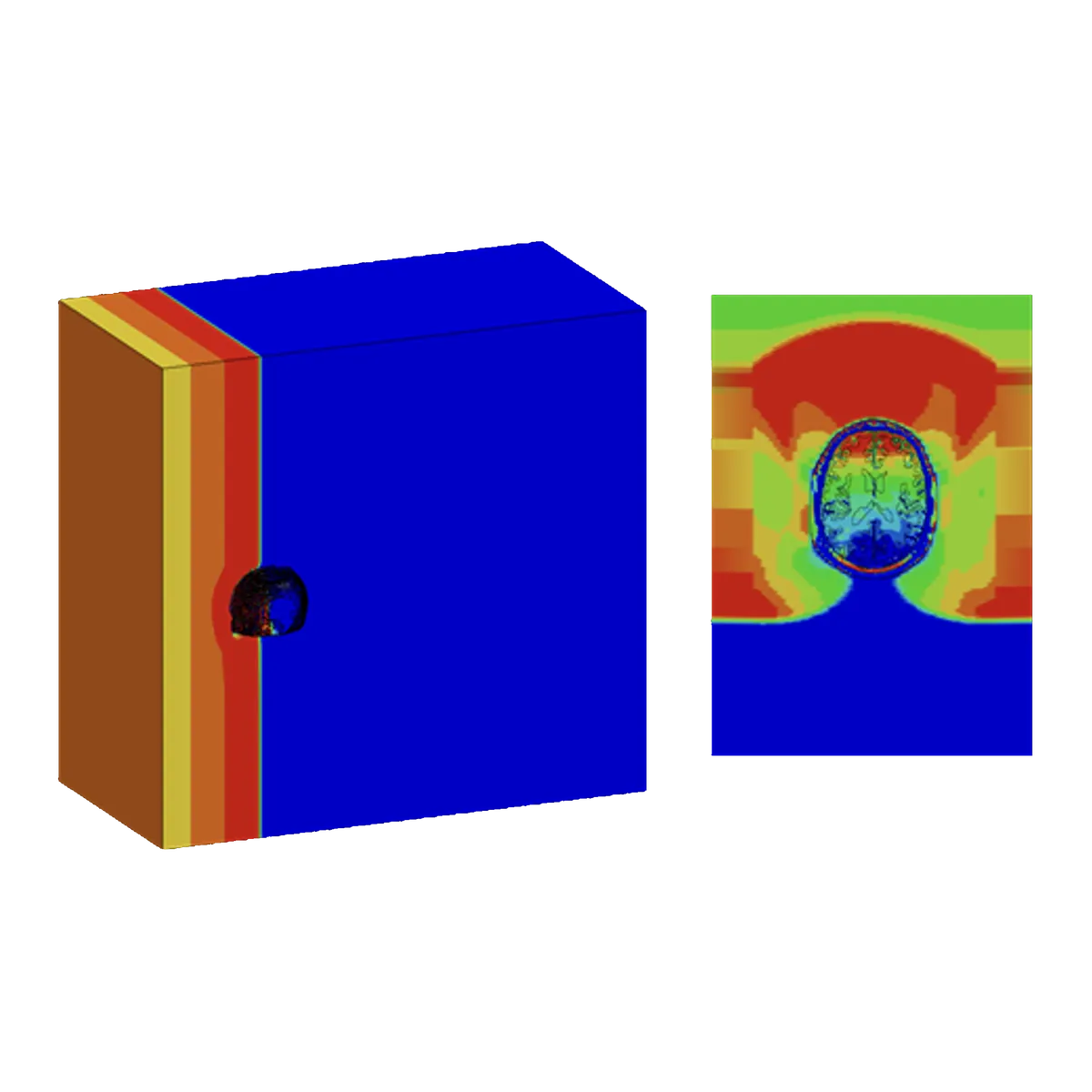
Biomechanics of blast traumatic brain injury
Cavitation of the cerebrospinal fluid as a mechanism of astroglial scarring of brain tissue.
-
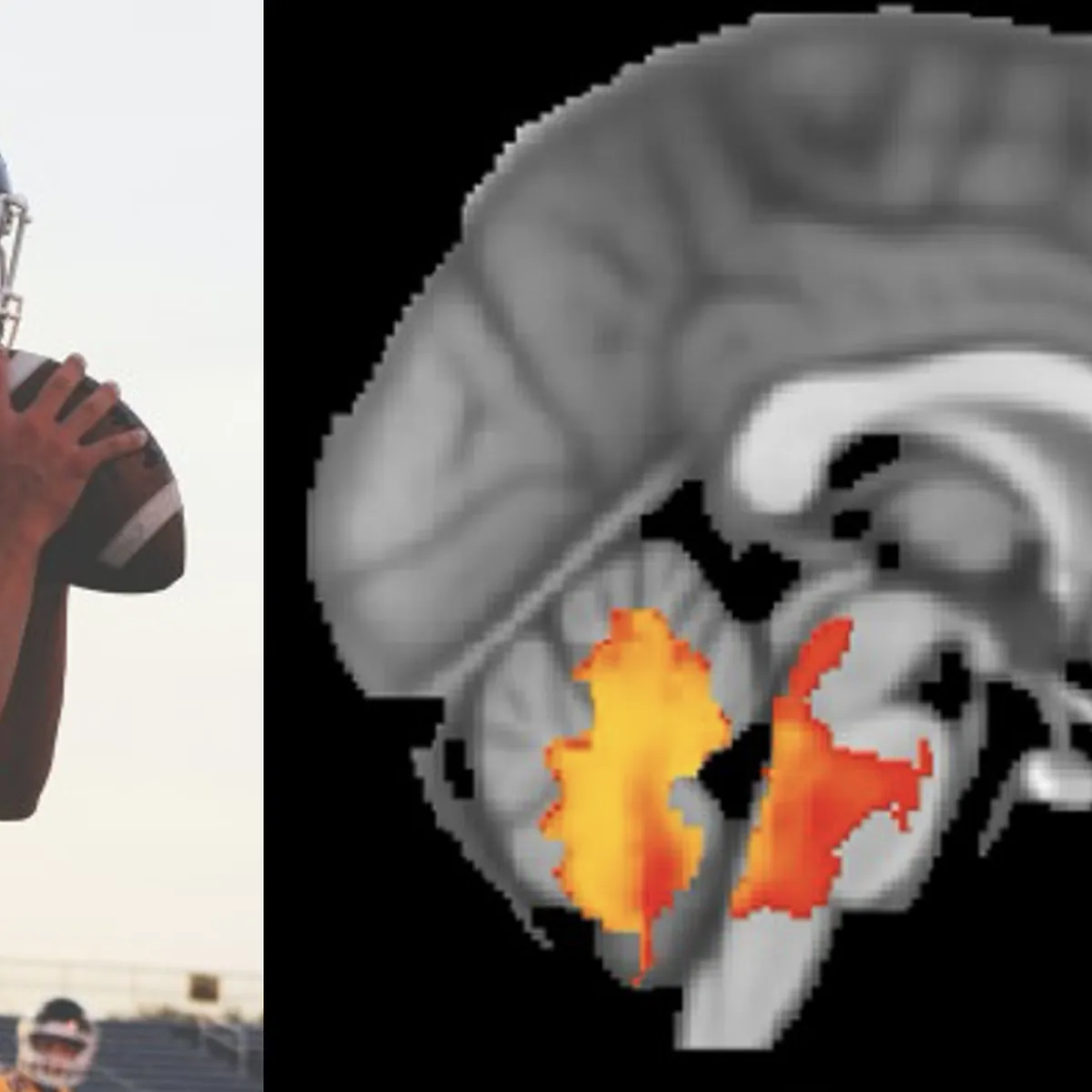
Biomechanical signature of loss of consciousness
Brain biomechanical modelling of sports collisions explains loss of consciousness.
-
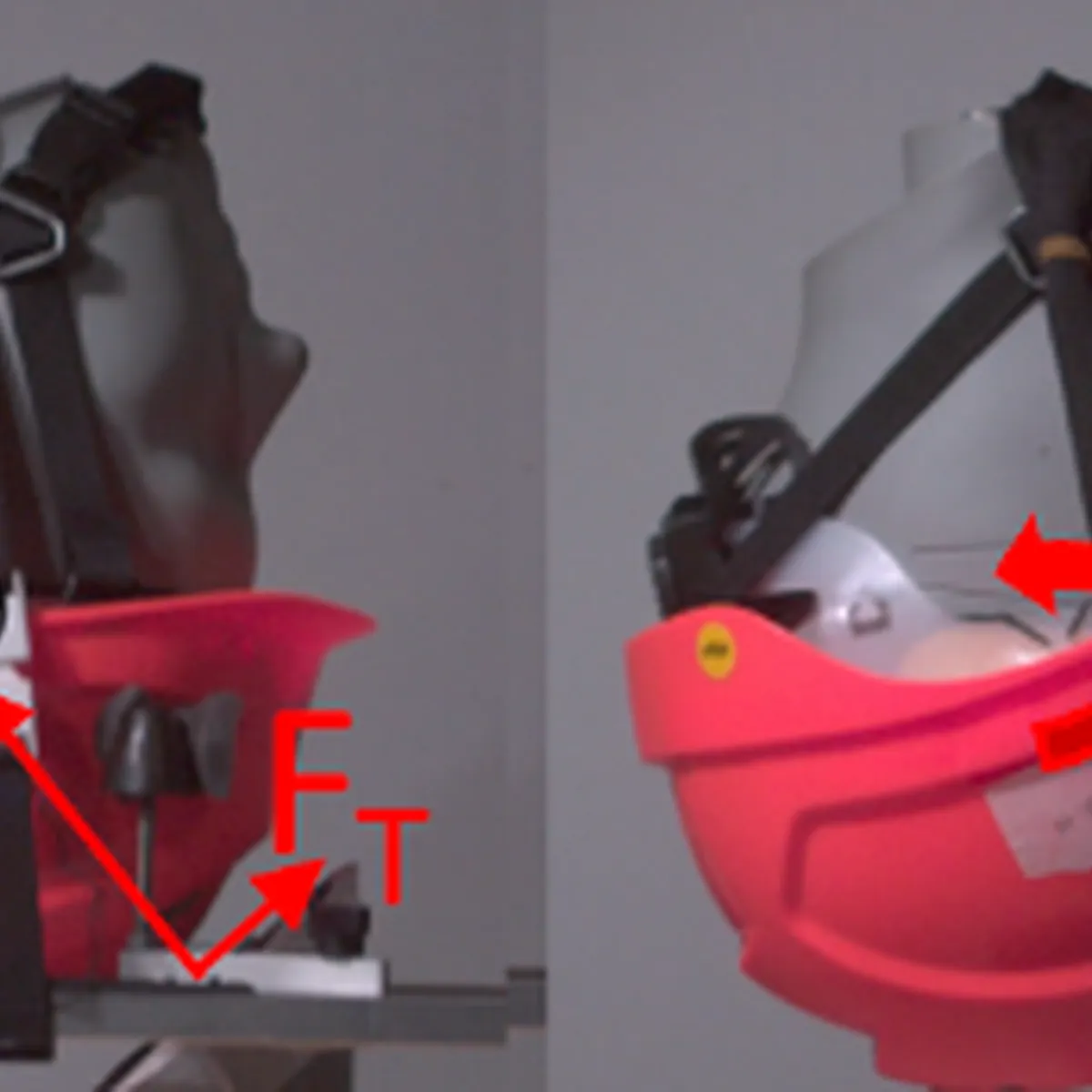
Industrial helmet testing
Testing hardhats against real workplace head-impact conditions, not just falling-object certification.
-
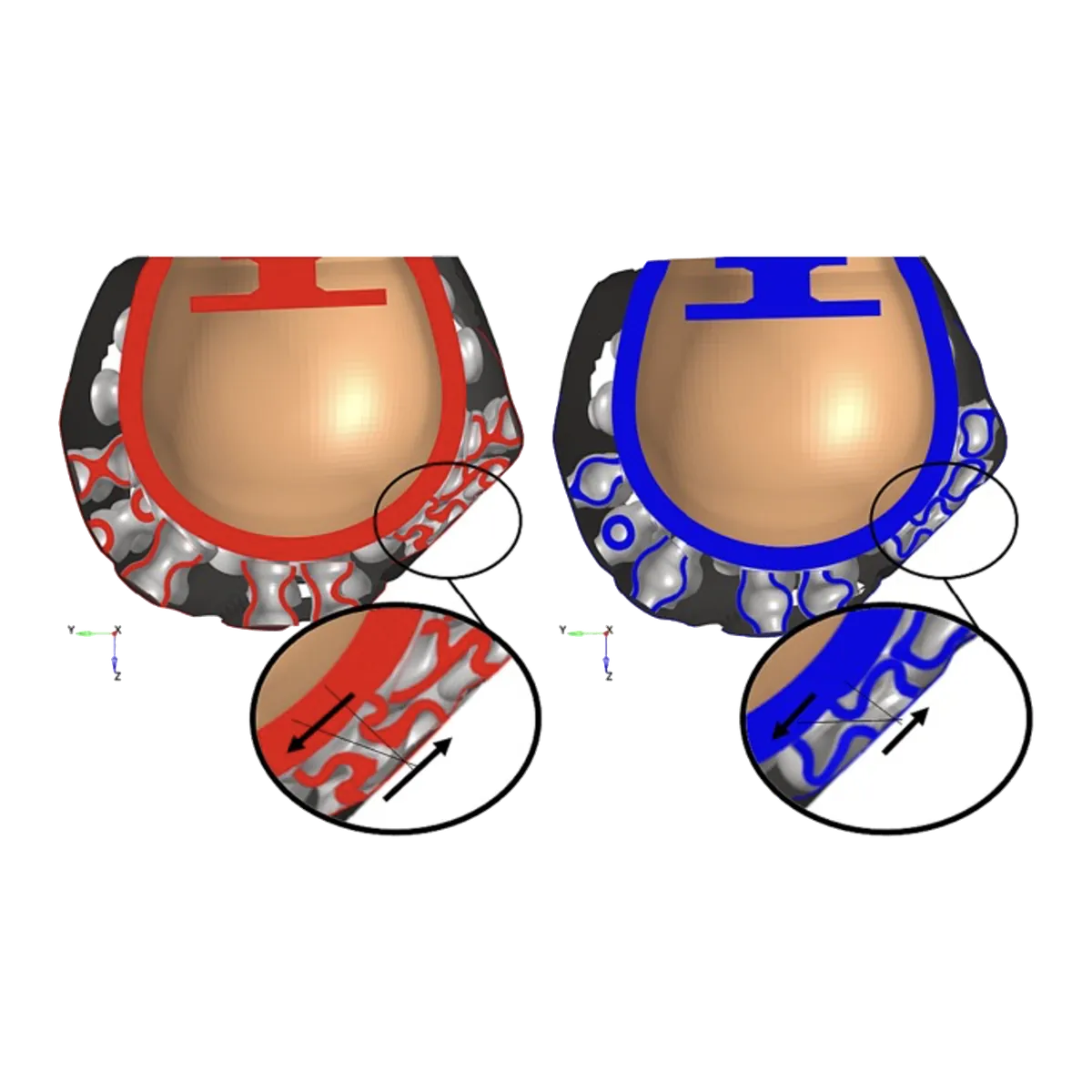
Novel helmet liner designs
New helmet liner concepts for reducing rotational and linear head kinematics and brain strain
Facilities
Drop tower helmet test rig
HEAD Lab's drop tower reproduces oblique impacts, a key cause of brain injury in real-world cyclist, motorcyclist, and pedestrian collisions. The rig is used for the HIPER cycle helmet rating programme, the developing industrial helmet rating, motorcycle helmet research, and bespoke protective-device R&D. Headforms include the Hybrid III and the new EN17950 standard biofidelic headform with realistic moments of inertia and coefficient of friction, and we are adding child-sized headforms to the set.
- Oblique-impact protocol
- Hybrid III + EN17950 biofidelic headforms
- Child-sized headforms (in progress)
- Translational + rotational kinematics