Activities
News
Lab updates and press coverage.
2026
Conferences
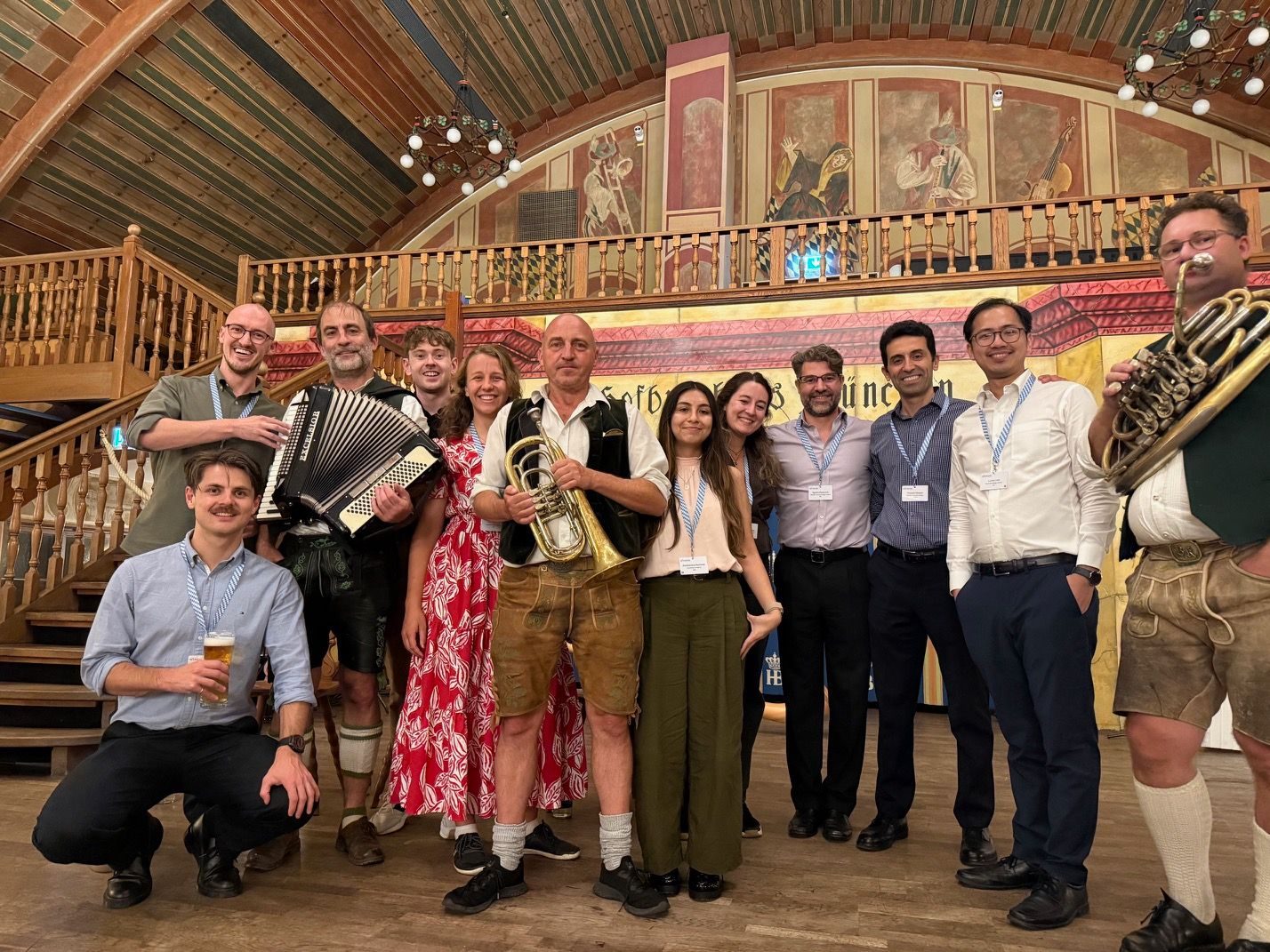
HEAD Lab at IRCOBI 2026, Munich
Nine papers from the lab at this year's IRCOBI at LMU Munich — Emily, Elena, Claire, Will, Lucas, Vahid and Xiancheng presenting on individualised brain strain, mandibular muscle forces, post-collision injury prediction, collapsible helmets, motorcycle facial impacts and more.
Prof Mazdak GhajariDr Emily Yik Kwan ChanElena KoumantouDr Claire BakerDr William DawberDr Lucas LowVahid DarvishiDr Xiancheng YuAll nine papers Discuss on LinkedIn
Promotion
Mazdak Ghajari promoted to Professor of Brain Biomechanics
Nineteen years after arriving in the UK for his PhD, Mazdak has been promoted to Professor of Brain Biomechanics at Imperial College London.
Paper
Face the facts: are motorcycle helmets protecting the right places?
New study in Traffic Safety Research, led by Claire Baker, on where riders' heads are actually struck in crashes — and how often the face is involved.
Dr Claire BakerDr Lucas LowRead the paper Discuss on LinkedIn
Coverage
Ansys features HEAD Lab's brain-injury modelling
Ansys highlighted the lab's computational work on how head impacts strain brain tissue, in a piece on the 69 million traumatic brain injuries a year.
Teaching
Finite Element Analysis lecture series released on YouTube
Fifteen videos covering the theory and practice of FEA — truss, beam and solid elements, buckling, vibration, non-linear analysis — from the DE2 module, free to all.
Conferences
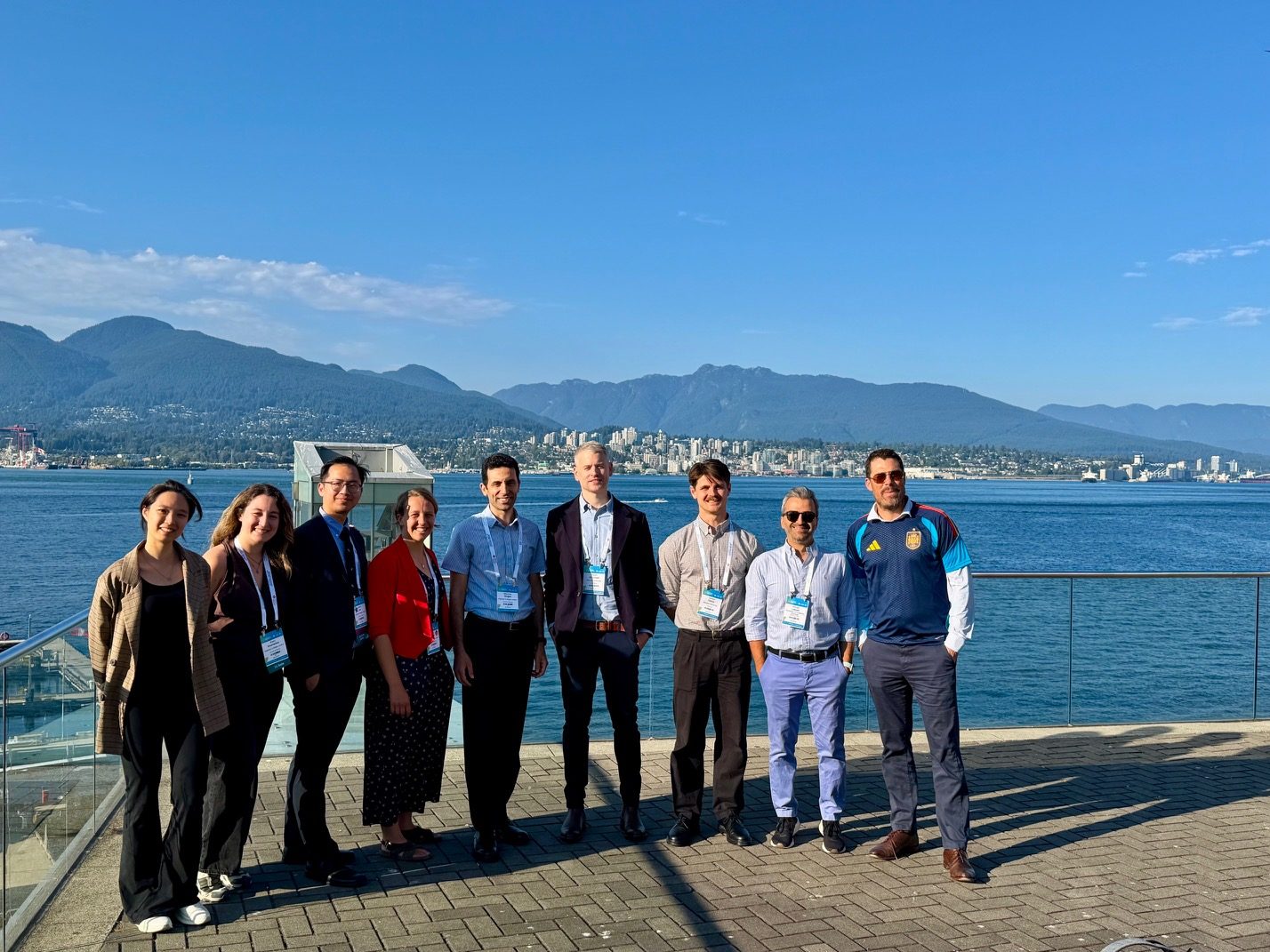
HEAD Lab at the World Congress of Biomechanics 2026, Vancouver
Vancouver, Canada
Seven talks from the lab across the congress — Mazdak on field measurements of injury, Emily on computational modelling and concussion, Elena on biomechanics in practice, Claire on concussion and brain injury, Lucas on motor-vehicle injury and Vahid on brain injury.
Prof Mazdak GhajariDr Emily Yik Kwan ChanElena KoumantouDr Claire BakerDr Lucas LowVahid DarvishiThe seven talks
Award
President's Award for Excellence in Research 2026 for Mazdak Ghajari
Recognised for biomechanics research that has challenged established assumptions, influenced safety standards and policy, and translated into practical tools for industry and the public.
Paper
High-rate stiffness of every human spinal disc
Compressive and flexion stiffnesses of all discs of the human spine under high-rate loading, from lab tests and inverse modelling — for more biofidelic whole-spine models.
HIPER
HIPER helmet ratings pass 150,000 views
Since launching in September 2024 the ratings have been accessed over 150,000 times worldwide. The lab is now asking manufacturers, retailers and cyclists which rating format they would trust.
Prof Mazdak GhajariDr William Dawberhiperhelmets.org Discuss on LinkedIn
Helmets
Children's cycle helmets are certified with adult impact conditions
Same drop height, same anvils, same pass threshold — with no systematic evidence that they reflect how children actually get hurt. Road Safety Trust-funded work to change that.
People
Women at Imperial Week: Claire Baker
Highlighting Claire's work on automated triage of road traffic collisions from accessible sensor kinematics.
Paper
Can industrial helmets protect the head in falls and trips?
Published in Annals of Biomedical Engineering: hard hats are tested for falling objects, yet over 70% of brain injuries on industrial sites come from trips and falls. Six designs tested on the lab's rig.
2025
Award
Prince Michael International Road Safety Award for HIPER
The HEAD Lab team received a Prince Michael International Road Safety Award in recognition of the HIPER helmet rating programme.
Award
Best Research Article of the Year, Annals of Biomedical Engineering — the HIPER paper
ABME's editorial team recognised the paper behind the HIPER cycle-helmet rating as its research article of the year.
Paper
A simple machine-learning model predicts brain strain from mouthguard kinematics
Emily Chan's new paper: a small set of features from instrumented-mouthguard head kinematics is enough to estimate brain strain, simple enough to run inside existing systems.
Coverage
Annals of Biomedical Engineering on the 30-helmet HIPER study
Why most helmet standards still focus on skull fracture — and what testing 30 of the UK's most popular bike helmets for brain-injury protection showed.
HIPER
HIPER one year on: tens of thousands of cyclists helped
The Road Safety Trust marked a year since the launch of the HIPER helmet rating it funded.
Conferences
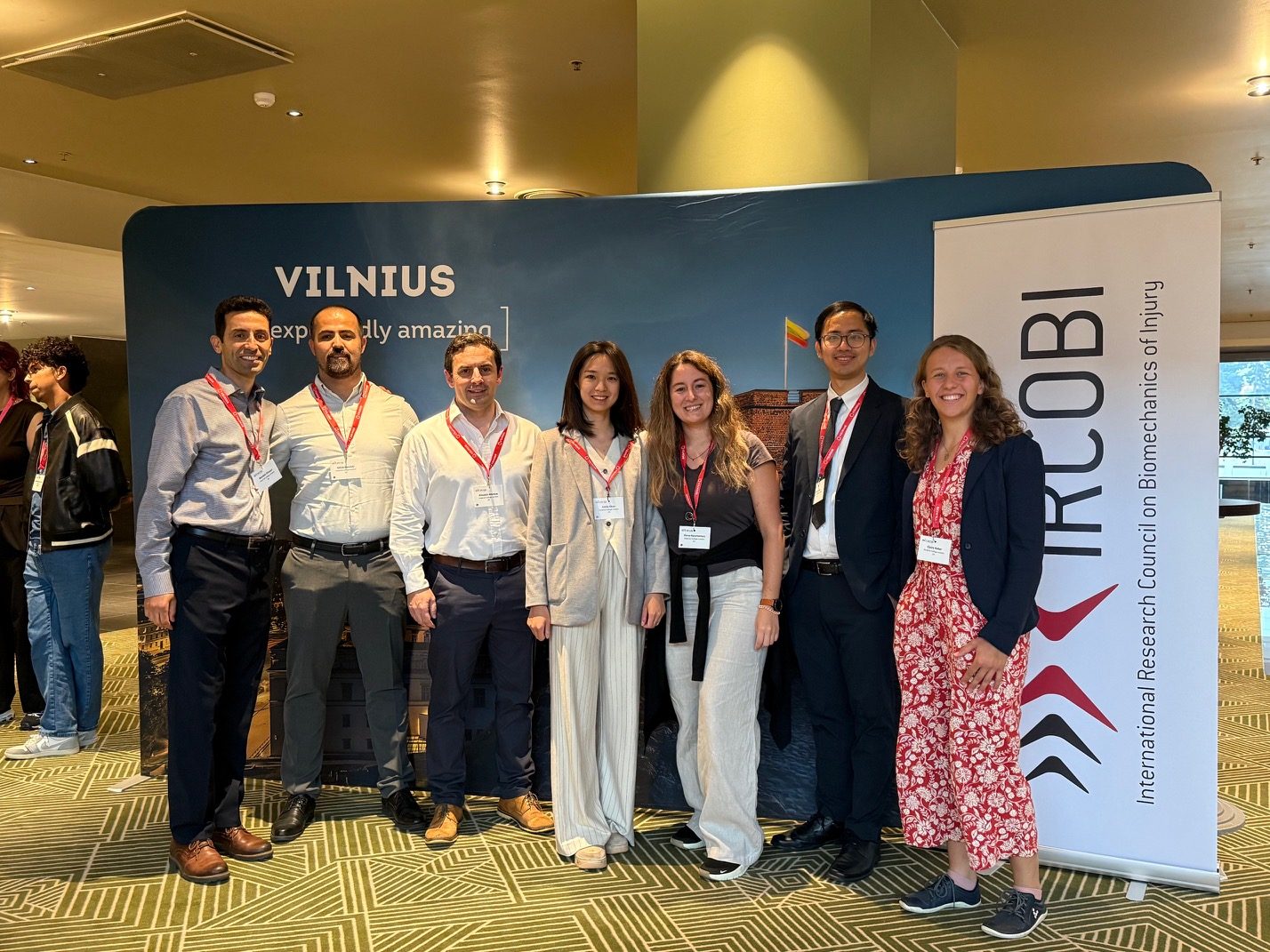
HEAD Lab at IRCOBI 2025, Vilnius
Vilnius, Lithuania
Four short communications from the lab at IRCOBI 2025 — sex and brain anatomy effects on brain strain, biomechanical modelling of normal pressure hydrocephalus, reconstruction of 24 real-world motorcycle collisions, and motorcyclist facial impact prevalence.
Prof Mazdak GhajariDr Emily Yik Kwan ChanElena KoumantouDr Claire BakerDr Lucas LowDr William DawberVahid DarvishiThe four papers
2024
Conferences
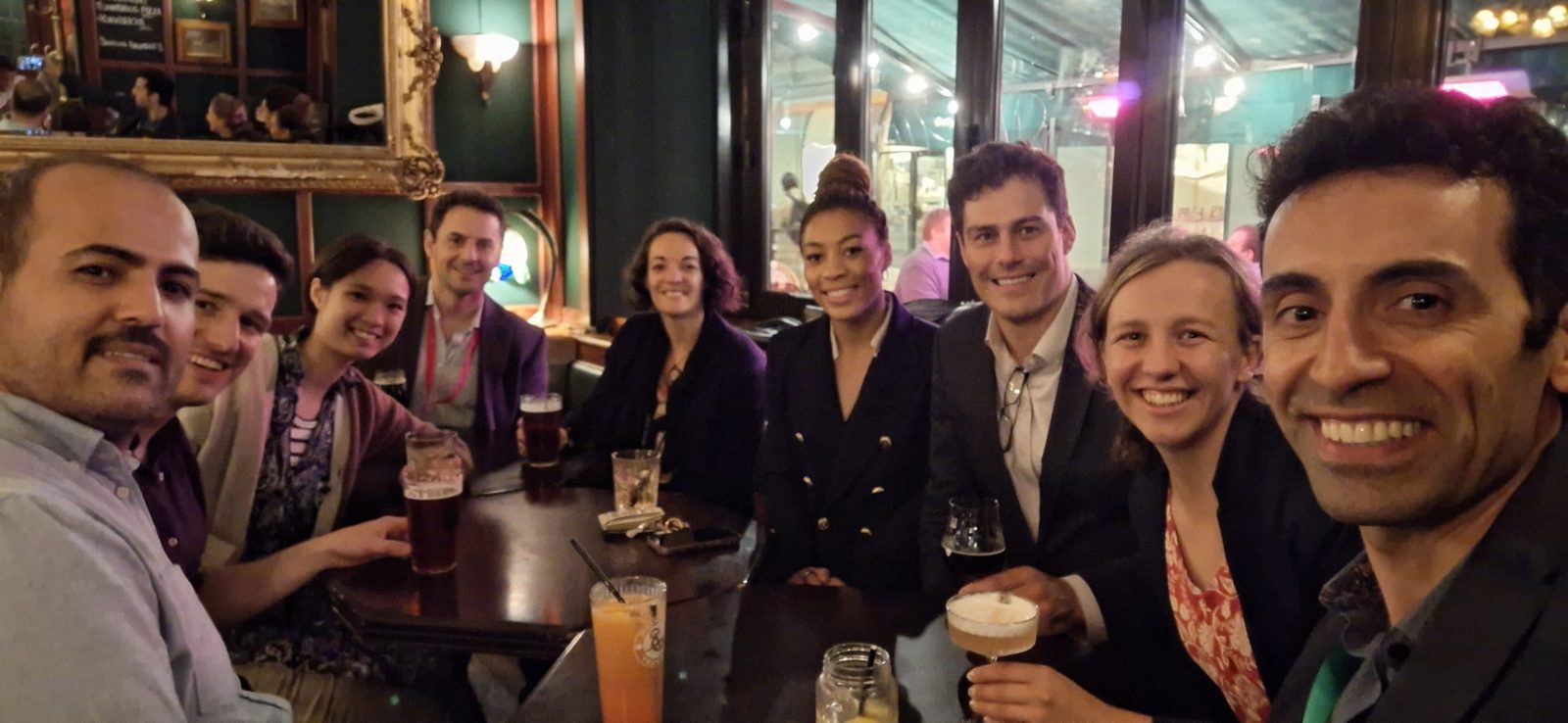
HEAD Lab at IRCOBI 2024, Stockholm
Stockholm, Sweden
Three short communications from the lab at IRCOBI 2024 — near real-time brain strain from XGBoost models, headforms for oblique helmet testing, and smart-device sensors for vulnerable road users.
Prof Mazdak GhajariDr Emily Yik Kwan ChanDr Xiancheng YuThe three papers
HIPER
Cycle helmet safety ranked: HIPER's first cohort
Imperial News covers HIPER's first cohort of 30+ adult cycle helmets, published openly at hiperhelmets.org.
Helmets
Turban style and thickness affect head injury risk
First-series test data showing how turban wrap style and fabric materials change head protection in bicycle-incident impact conditions.
2023
Brain modelling
Sports-related brain injuries reveal mechanics of loss of consciousness
Computational modelling of elite-athlete head injuries identifies the biomechanical signature of loss of consciousness, using the Imperial College FE brain model.
2022
AutoTriage
Road accident data could help predict brain injury severity
On-board vehicle sensor data linked to TBI severity in the UK's RAIDS database, informing post-crash triage.
Helmets
E-scooter simulations highlight head injury risk
Simulation of e-scooter falls highlights an elevated head injury risk, cited subsequently in the PACTS report on e-scooter safety.
Brain modelling
Computer models of brain blood vessels predict damage
Capillary-scale FE modelling of rat brain biomechanics shows how anatomy of capillaries and loading distribution interact to produce blood-brain barrier damage.
2021
HIPER
New testing of bike helmets accounts for real-world head impacts
HEAD Lab's oblique-impact protocol, the basis for the HIPER rating, accounts for the loading patterns most common in real cyclist collisions.
Brain modelling
Precise mapping shows brain injuries inflicted weeks earlier
The study combines biomechanics modelling with controlled cortical impacts in rats, MRI, and quantitative histopathology, showing that brain deformations at the time of injury predict structural change two weeks later.
2018
Brain modelling
3D model of American football players' brain reveals CTE pathology location
The Imperial College FE brain model identifies the location of pathology in chronic traumatic encephalopathy (CTE).
From LinkedIn
From the lab's LinkedIn.
IRCOBI 2026, Munich
Dr Emily Chan
Professor of Brain Biomechanics
FEA lecture series
President's Award 2026
WCB 2026, Vancouver
HIPER: 150,000 views
Great Exhibition Road Festival
Happy holidays from HEAD Lab
Dr Alasdair Mackay
Prince Michael International Road Safety Award
IRCOBI 2025, Vilnius